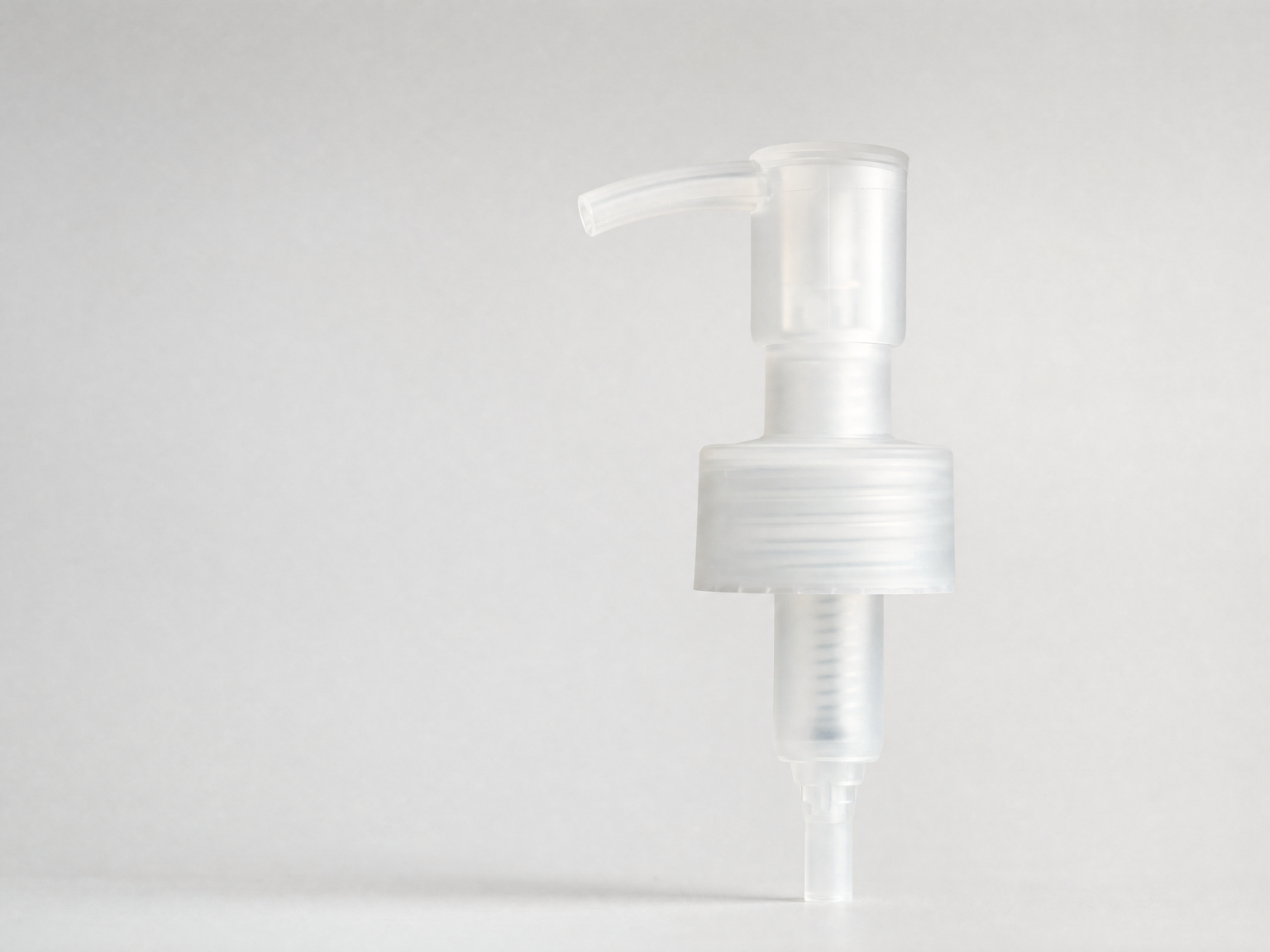
Polypropylene (PP) is the core material in dispensing pump manufacturing, accounting for 35%–45% of total production cost. PP prices are driven by crude oil, geopolitics, and capacity cycles, with annual swings of 20%–40%. For brands purchasing millions of pumps annually, this volatility translates into budget unpredictability and margin erosion. Long-term price lock agreements offer a proven solution.
Target Audience: Beauty and personal care brand procurement directors, finance officers, supply chain managers, and brand founders struggling with unpredictable pump costs due to PP raw material price fluctuations.
TL;DR
- Core Insight: PP resin price volatility directly drives pump procurement cost unpredictability. Annual price lock agreements compress cost deviation to within ±5% versus 15%–25% for unhedged buyers.
- Key Data: Q1 2026 saw PP spot prices surge from ¥6,700/tonne to ¥9,348/tonne — a 41.4% increase. Brands with price lock agreements kept deviation to 3%–5%.
- Action: Sign 12-month price lock agreements with core suppliers covering 60%–80% of base volume, with ±8%–10% adjustment triggers, trading "committed volume" for "price stability."
PP Price Volatility: The Hidden Bomb in Pump Costs
Why PP Prices Fluctuate Wildly
| Factor | Mechanism | Typical Swing |
|---|---|---|
| Crude oil prices | PP upstream is propylene from refining; oil up = PP up | Oil ±30% → PP ±20%–30% |
| Geopolitical conflicts | Middle East tensions drive energy supply fears | March 2026: PP surged ¥35,000/tonne in 9 days |
| Maintenance cycles | Spring/fall集中 plant maintenance tightens supply | 5%–15% premium during maintenance |
| New capacity additions | Large new plants loosen supply long-term | 570万吨 new capacity planned for 2026 |
How PP Volatility Transmits to Pump Costs
| Cost Component | Share | PP-Sensitive? |
|---|---|---|
| PP material cost | 35%–45% | ✅ Directly affected |
| Mold amortization | 10%–20% | ❌ Not affected |
| Injection molding fee | 15%–25% | ⚠️ Indirectly (energy, labor) |
| Assembly labor | 5%–10% | ❌ Not affected |
| Surface treatment | 10%–15% | ⚠️ Partially affected |
| Packaging & logistics | 5%–10% | ⚠️ Indirectly (fuel) |
The Cost of Not Locking Prices
Financial Forecasting Failure
Brands typically set annual budgets in Q4 based on current PP prices. If PP surges 35% in Q2, the annual packaging budget偏差 reaches 20%–30%, forcing cuts in marketing spend or margin compression.
Supplier Opportunistic Pricing
| Scenario | Supplier Behavior | Brand's Dilemma |
|---|---|---|
| PP up 20% | Demand 15%–20% price increase or delayed delivery | Committed to channels, forced to accept |
| PP up 40% | Stop accepting orders, prioritize locked-in clients | Production halt, emergency sourcing at higher cost |
| PP down 15% | Maintain price, no主动 reduction | Missed cost optimization opportunity |
How Price Lock Agreements Work
Core Mechanism
A long-term price lock agreement is a 12-month framework between brand and supplier that:
- Locks 60%–80% of annual purchase volume at a fixed base price
- Leaves 20%–40% floating at market price or formula-based adjustment
- Triggers price renegotiation only when PP moves beyond ±8%–10%
- Brand commits minimum volume; supplier commits price stability
Mechanism 1: Base Price Determination
| Cost Item | Amount (¥/unit) | Notes |
|---|---|---|
| PP material (4.5g @ ¥7,500/t) | ¥0.034 | At contract PP market price |
| Injection molding fee | ¥0.015 | Energy, depreciation, labor |
| Assembly fee | ¥0.008 | Auto/semi-auto assembly line |
| Surface treatment | ¥0.012 | Plating/spraying/hot stamping |
| QC management | ¥0.003 | Five-level QC system分摊 |
| Packaging & logistics | ¥0.005 | Inner packaging +出厂运输 |
| Total base price | ¥0.077 | Fixed for locked portion |
Mechanism 2: Price Adjustment Trigger
Adjustment trigger: When PP spot price (based on Sinopec monthly list price) deviates ≥ ±10% from contract baseline, AND the deviation persists ≥ 30 days, both parties renegotiate. Adjustment幅度 capped at 70% of PP movement. Fluctuations within ±10% or lasting < 30 days: no adjustment.
Mechanism 3: Volume-for-Price Tradeoff
| Commitment as % of Supplier Capacity | Lock Discount | Applicable |
|---|---|---|
| < 10% | No discount, market price | Small trial orders |
| 10%–20% | Lock + 2%–3% discount | Mid-size brands |
| 20%–40% | Lock + 3%–5% + priority scheduling | Regional brands |
| > 40% | Lock + 5%–8% + dedicated capacity | International brands |
GreenYard's Price Lock Service
GreenYard offers annual price lock agreements with the following terms:
- Annual lock agreement: Based on Sinopec PP挂牌价, locking 12-month base price for up to 80% of volume
- Transparent cost structure: Detailed cost breakdown (material + processing + assembly + QC + logistics) provided for fair negotiation
- Material grade锁定: Contract specifies PP grade (e.g., Sinopec T30S, LyondellBasell Pro-fax), with MTC per batch
- ±10% adjustment threshold: Only triggered when PP moves beyond ±10% for 30+ days
- 0.7 pass-through coefficient: Supplier absorbs 30% of price risk
- Flexible commitment: Annual minimum decomposed quarterly with ±15% quarterly elasticity
Action Checklist
- Map annual pump demand by SKU to determine total annual purchase volume
- Evaluate existing suppliers' willingness for long-term agreements
- Set lock ratio (60%–80%), adjustment threshold (±10%), and pass-through coefficient (0.7)
- Lock material grade in contract to prevent偷换
- Design弹性 clauses: quarterly decomposition + ±15% flexibility + volume bonus
- Establish quarterly monitoring: track PP prices,核对 purchase volume, assess mechanism effectiveness
- Annual review: compare lock pool vs. floating pool performance, continuously improve parameters
Published by GreenYard Team on June 12, 2026. GreenYard is a leading manufacturer of sustainable pumps, sprayers, and cosmetic packaging for beauty, pharma, and personal care brands worldwide.