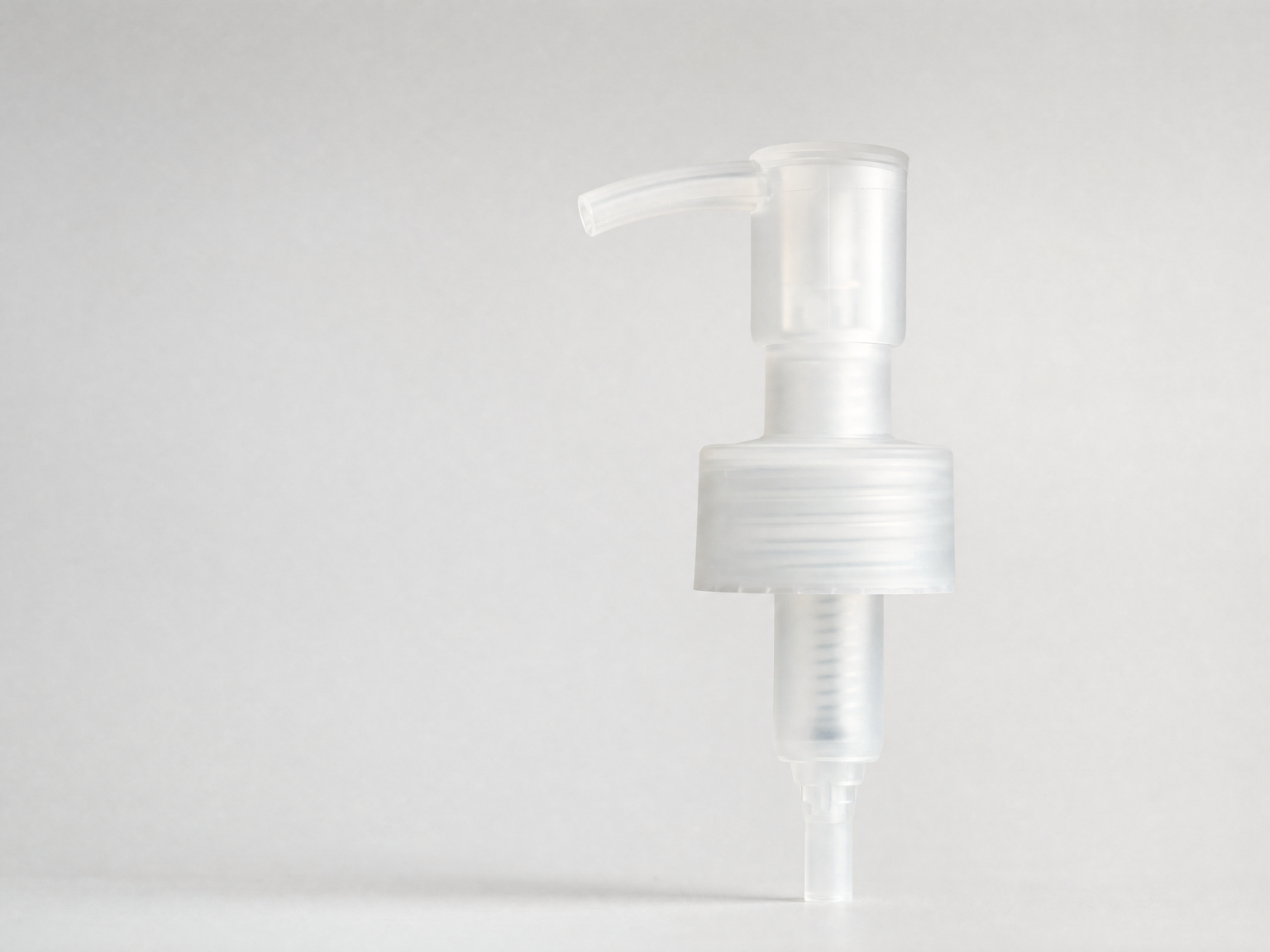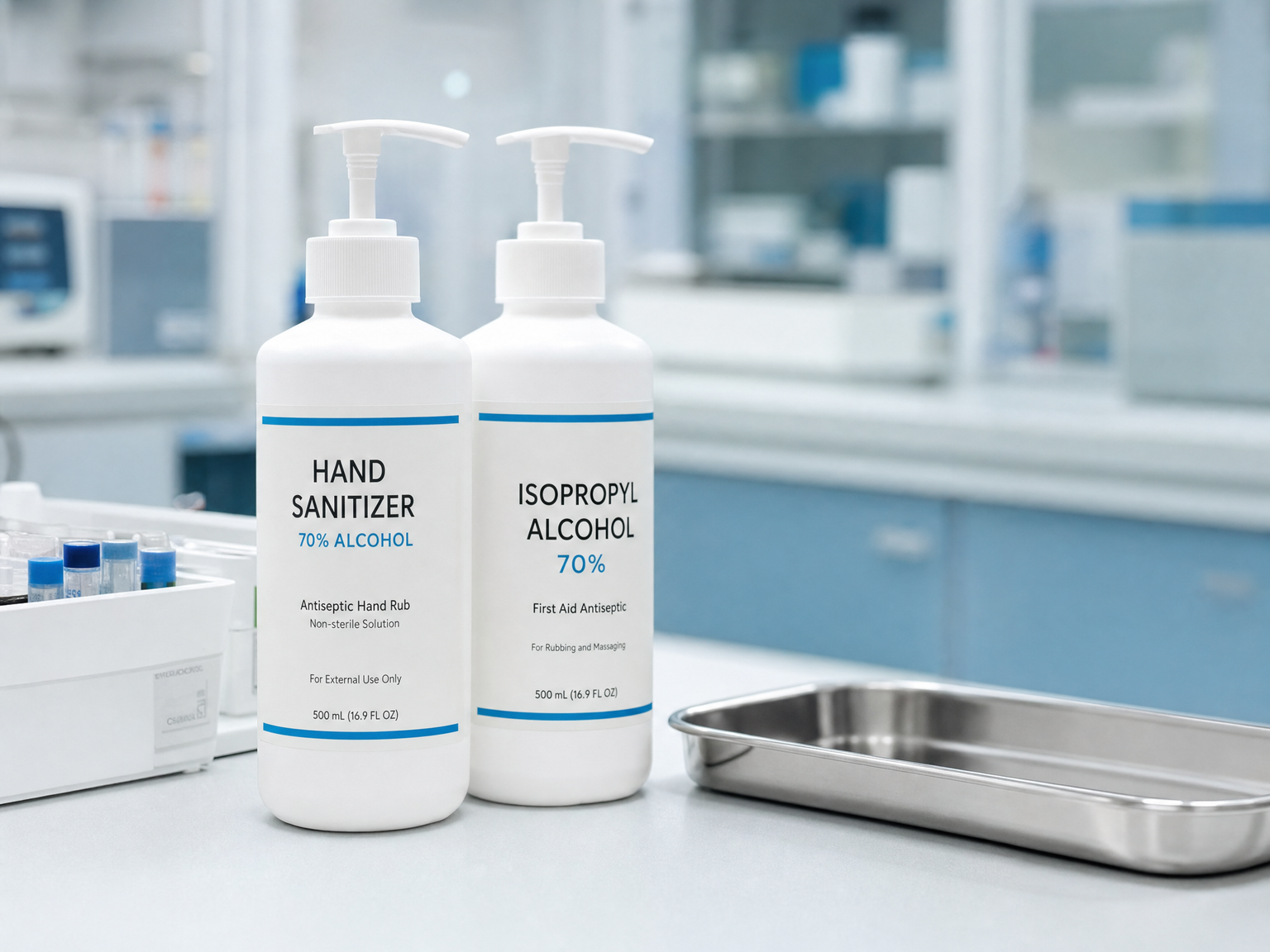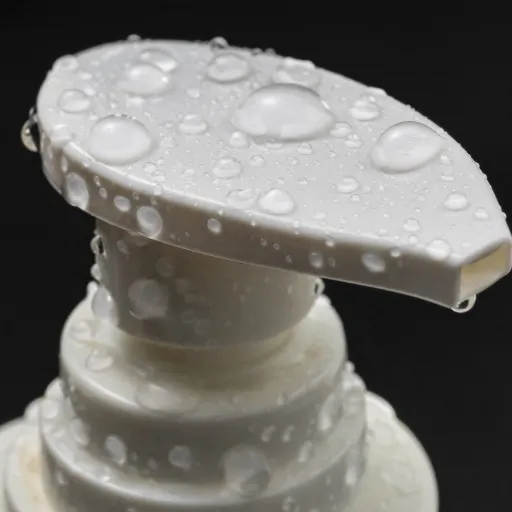
Electroplated pumps offer the premium metallic finish that elevates brand perception. But when used with alcohol-based formulas — toners, disinfectant sprays, perfumes — the combination can be disastrous. High-concentration alcohol acts as a solvent on plating layers, causing thickness reduction, blistering, and eventual peeling. For brands investing in aesthetic packaging, this failure mode directly damages the consumer experience and brand image.
Target Audience: Beauty brand owners, packaging procurement managers, product managers, and quality inspectors sourcing electroplated pumps for alcohol-based formulas (toners, disinfectant sprays, perfumes, etc.).
TL;DR
- Core Insight: Alcohol-based formulas are the "silent killer" of electroplated pump coatings. High-concentration alcohol (≥75%) dissolves the protective surface layer, reducing plating thickness by 8–12μm in 7 days on average, ultimately causing peeling.
- Key Data: Chrome plating in 95% alcohol shows ~15% gloss reduction after 24 hours. Nickel plating is sensitive to alcohol; chloride-containing industrial alcohol accelerates corrosion. Zinc plating's passive layer is destroyed by alcohol, causing white rust.
- Action: For alcohol-based formulas, prioritize PVD (Physical Vapor Deposition) coating or double-layer nickel + sealant processes. Mandatory 72-hour alcohol immersion adhesion test before accepting deliveries.
Real Case: Brand's Electroplated Pumps Peeling in Bulk After 3 Months
In 2024, a domestic skincare brand launched a refreshing toner containing 75% alcohol with premium bright silver electroplated pumps. Within 3 months, customer complaints poured in:
- White spots appearing on pump surface, coating flaking off when wiped
- Silver debris on fingers after pressing
- Edge peeling on some batches
Third-party analysis identified the root cause as chronic alcohol corrosion of the plating layer:
| Test Item | Result | Standard | Verdict |
|---|---|---|---|
| Chrome layer thickness | 0.3μm | ≥0.5μm (cosmetic grade) | ❌ Failed |
| Adhesion (cross-cut) | Grade 2 | ≤ Grade 1 | ❌ Failed |
| 72h alcohol immersion appearance | Major peeling, gloss loss | No significant change | ❌ Severe failure |
| Surface porosity | High | Low (sealed) | ❌ No sealant applied |
| Strike layer material | Copper strike | Nickel strike (recommended) | ⚠️ Improper process |
Direct loss: 120,000 pumps scrapped + product recall + brand reputation damage — total exceeding ¥800,000.
How Alcohol Attacks Electroplating
Key Mechanism
- Protective film dissolution: High-concentration alcohol dissolves the oxide passive layer on the plating surface, exposing the base metal to corrosive environment
- Pore penetration: Alcohol molecules are small and highly penetrating, entering through micro-pores in the plating to cause "inside-out" corrosion
- Stress corrosion: Alcohol-metal contact generates micro-galvanic reactions, increasing internal stress in the plating layer over time, eventually causing cracking and peeling
Alcohol Concentration Risk Levels
| Product Type | Typical Alcohol % | Risk Level |
|---|---|---|
| Refreshing toner | 10%–30% | 🟡 Medium |
| Disinfectant spray / hand sanitizer | 60%–75% | 🔴 High |
| Perfume / cologne | 70%–90% | 🔴 Extreme |
| Makeup remover | 15%–25% | 🟡 Medium |
How Process Defects Amplify Alcohol Corrosion Risk
Strike Layer Selection
| Strike Layer | Alcohol Compatibility | Adhesion | Cost |
|---|---|---|---|
| Copper strike | Poor — copper oxidizes easily in alcohol | Fair, prone to long-term剥离 | Low |
| Nickel strike | Good — nickel resists alcohol well | Excellent, ASTM B571 Class 1 | Medium |
| Electroless nickel | Good — dense, pore-free | Superior, ideal for demanding applications | High |
Minimum Plating Thickness Requirements
| Layer | Decorative Min | Cosmetic Grade Recommended | Alcohol-Resistant |
|---|---|---|---|
| Chrome | 0.15μm | ≥0.5μm | ≥0.8μm |
| Nickel | 5μm | ≥8μm | ≥12μm |
| Copper | 3μm | ≥5μm | Not recommended for alcohol |
Sealant: The Last Line of Defense
| Sealant Type | Alcohol Protection | Cost Premium |
|---|---|---|
| None | Plating directly exposed, easily corroded | Baseline |
| Passivation seal | Short-term effective, fails under prolonged immersion | +5%–8% |
| Organic sealant | Excellent — forms physical barrier | +10%–15% |
| PVD coating | Superior — pore-free dense layer | +30%–50% |
Four Critical Avoidance Strategies
Avoidance 1: Don't Just Look at Appearance — Ask About Plating Process
For alcohol-based formulas, require the supplier to provide a plating structure specification meeting these minimums:
- Base: Nickel strike or electroless nickel (copper strike prohibited)
- Intermediate: Nickel layer ≥ 8μm
- Top: Chrome layer ≥ 0.5μm (decorative) or ≥ 0.8μm (alcohol-resistant)
- Sealant: Organic sealant or PVD coating
Avoidance 2: Never Skip Alcohol Compatibility Testing
| Test Item | Condition | Acceptance Criteria | Duration |
|---|---|---|---|
| Alcohol immersion | Actual formula concentration, 40°C | 72h no peeling, no gloss loss | 3–5 days |
| Cross-cut adhesion | Before and after immersion | Grade ≤ 1 | Instant |
| Cyclic actuation | Simulated actual usage frequency | 10,000 cycles no coating脱落 | 7–10 days |
| High-temp accelerated aging | 50°C, 85%RH | 28 days no异常 | 28 days |
Avoidance 3: Don't Neglect Actuator Zone Protection
The actuator (press head) and nozzle are high-risk zones for coating failure in alcohol formulas. Recommended: double-layer nickel + sealant for the actuator, passivation treatment for the nozzle interior, and 316L stainless steel for internal springs to avoid plating-liquid contact.
Avoidance 4: Account for Storage-Period Chronic Corrosion
Alcohol-based products may sit in仓储 for 6–18 months before consumer use. During this period, liquid slowly penetrates micro-pores, temperature swings accelerate electrochemical reactions, and seal degradation increases contact opportunities. Run storage simulation tests at 6-, 12-, and 18-month equivalents.
GreenYard's Alcohol-Compatible Electroplated Pump Solutions
Three-Level Protection System
| Protection Level | Plating Structure | Suitable Alcohol % | Warranty |
|---|---|---|---|
| Standard | Nickel strike + Ni 8μm + Cr 0.5μm + passivation seal | ≤ 30% | 12 months |
| Enhanced | Electroless nickel + Ni 12μm + Cr 0.8μm + organic sealant | ≤ 75% | 18 months |
| Flagship | PVD coating (titanium/zirconium nitride) | ≥ 75% | 24 months |
Alcohol Compatibility Verification Services
- Free formula compatibility assessment: Based on product alcohol concentration and usage scenario, recommend optimal coating方案
- 72-hour accelerated test report: Immersion test using actual customer formula, with third-party inspection report
- Batch consistency guarantee: XRF plating thickness inspection每 batch, ensuring一致性 with samples
- Process traceability: Plating structure drawings provided with shipment;每 batch includes XRF thickness report; process parameters (current density, bath temperature, pH) traceable
GreenYard's guarantee: For alcohol-based formula electroplated pumps, if coating peeling occurs due to plating process issues, full赔偿 including recall costs. We replace empty quality promises with verifiable data.
Published by GreenYard Team on June 12, 2026. GreenYard is a leading manufacturer of sustainable pumps, sprayers, and cosmetic packaging for beauty, pharma, and personal care brands worldwide.